
Smarter Books. Stronger Business.
Practical, plain language guidance on keeping your books clean and your payroll running smoothly. Written for small business owners, not accountants.

How to Manage Paid Time Off in Payroll
Managing paid time off in payroll means turning each hour of PTO into the right accrual, the right balance, the right deductions, and the right net pay, so every PTO run ties to the payroll record and the bank. When PTO is run loosely, the accrual is wrong, the balance drifts, and the run stops matching the record. The good news is that most PTO runs follow the same small set of steps, which means one routine handles them cleanly. This guide walks through how to manage paid time off in payroll, from the pieces you track to the steps that turn PTO into an accurate run, with two real examples and a clear set of checks so your next PTO run starts from numbers that agree.

How to Set Up Payroll for Multiple Pay Rates
Setting up payroll for multiple pay rates means turning each hour worked into the right rate, the right gross pay, the right deductions, and the right net pay, so every run ties to the payroll record and the bank. When multiple rates are set up loosely, the wrong rate is applied, the hours are split wrong, and the run stops matching the record. The good news is that most multi rate runs follow the same small set of steps, which means one setup handles them cleanly. This guide walks through how to set up payroll for multiple pay rates, from the pieces you track to the steps that turn hours into an accurate run, with two real examples and a clear set of checks so your next multi rate run starts from numbers that agree.

How to Handle Commissions in Payroll
Handling commissions in payroll means turning each commission amount into the right gross pay, the right deductions, and the right net pay, so every commission run ties to the payroll record and the bank. When commissions are run loosely, the commission amount is wrong, the deductions are missed, and the run stops matching the record. The good news is that most commission runs follow the same small set of steps, which means one routine handles them cleanly. This guide walks through how to handle commissions in payroll, from the pieces you track to the steps that turn a commission into an accurate run, with two real examples and a clear set of checks so your next commission run starts from numbers that agree.

How to Handle Employee Bonuses Through Payroll
Handling employee bonuses through payroll means turning each bonus amount into the right gross pay, the right deductions, and the right net pay, so every bonus run ties to the payroll record and the bank. When bonuses are run loosely, the bonus amount is wrong, the deductions are missed, and the run stops matching the record. The good news is that most bonus runs follow the same small set of steps, which means one routine handles them cleanly. This guide walks through how to handle employee bonuses through payroll, from the pieces you track to the steps that turn a bonus into an accurate run, with two real examples and a clear set of checks so your next bonus run starts from numbers that agree.

How to Switch From DIY Bookkeeping to Professional Support
Moving from do it yourself bookkeeping to professional support is a practical step once your business grows. This guide walks through what to gather, what to expect during onboarding, and how to hand off your books without losing momentum.
How to Track Employee Overtime Hours
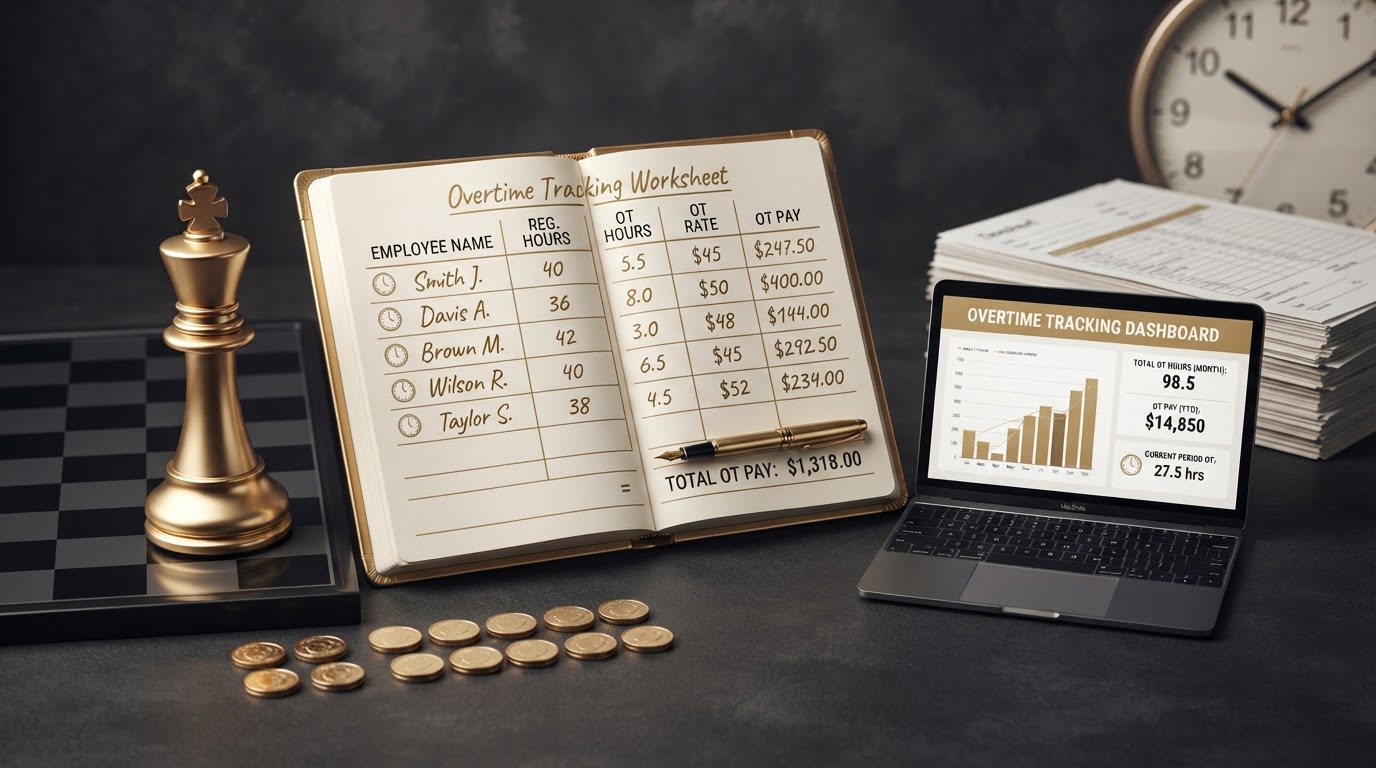
Tracking employee overtime hours means separating the regular hours from the overtime hours every period, confirming the split is right, and keeping a record that ties the overtime to the pay and the time. When overtime is tracked loosely, the split is missed or doubled, the overtime pay is wrong, and the run stops matching the time record. The good news is that most overtime runs follow the same small set of steps, which means one routine handles them cleanly. This guide walks through how to track employee overtime hours, from the pieces you track to the steps that turn the hours into an accurate run, with two real examples and a clear set of checks so your next run starts from numbers that agree.

How to Process Payroll for Part-Time Employees
Processing payroll for part time employees means turning each employee hours into the right gross pay, the right deductions, and the right net pay, so every run ties to the timesheet and the bank. When part time hours are tracked loosely, the pay drifts, the overtime is missed or overcounted, and the run stops matching the time record. The good news is that most part time runs follow the same small set of steps, which means one routine handles them cleanly. This guide walks through how to process payroll for part time employees, from the pieces you track to the steps that turn hours into an accurate run, with two real examples and a clear set of checks so your next run starts from numbers that agree.
How to Manage Payroll for Salaried Employees
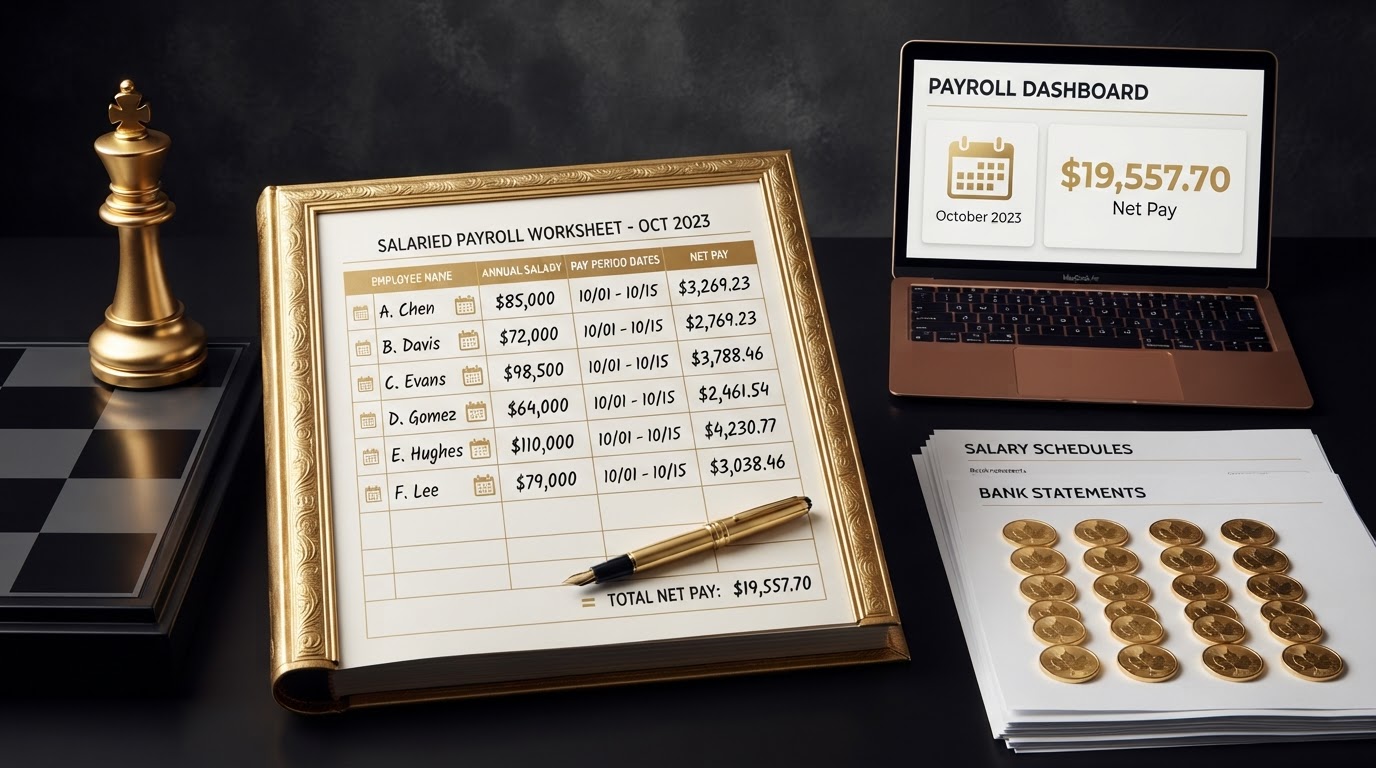
Managing payroll for salaried employees means turning each salary into the right gross pay, the right deductions, and the right net pay for every pay period, so every run ties to the salary record and the bank. When a salary amount is tracked loosely, the pay drifts, a raise is missed, and the run stops matching the record. The good news is that most salaried runs follow the same small set of steps, which means one routine handles them cleanly. This guide walks through how to manage payroll for salaried employees, from the pieces you track to the steps that turn a salary into an accurate run, with two real examples and a clear set of checks so your next run starts from numbers that agree.

How to Manage Payroll for Hourly Employees
Managing payroll for hourly employees means turning each employee hours into the right gross pay, the right overtime, the right deductions, and the right net pay, so every run ties to the timesheet and the bank. When hours are tracked loosely, the pay drifts, the overtime is missed or overcounted, and the run stops matching the time record. The good news is that most hourly runs follow the same small set of steps, which means one routine handles them cleanly. This guide walks through how to manage payroll for hourly employees, from the pieces you track to the steps that turn hours into an accurate run, with two real examples and a clear set of checks so your next run starts from numbers that agree.

How to Record Payroll Expenses in Bookkeeping
Recording payroll expenses in bookkeeping means turning each run into the journal entries that put the wages, the employer taxes, the deductions, and the net pay in the right accounts, so the books match the bank and the general ledger reads true. When a run is paid but never recorded, the cash leaves but the wages never hit the books, the liabilities drift, and the reports stop matching the register. The good news is that most runs follow the same small set of entries, which means one recording routine handles them cleanly. This guide walks through how to record payroll expenses in bookkeeping, from the accounts you touch to the entries that tie the run to the bank, with two real examples and a clear set of checks so your next close starts from numbers that agree.
Page 6 of 20 · 200 articles
Have a question about your books or payroll?
We do two things, and we do them exceptionally well. Reach out and let's talk about how clean books and reliable payroll can give your business clarity.